
In an increasingly complex and rapidly changing environment, institutions need more than short-term solutions. They need the capacity to anticipate change, manage risk, adapt to emerging challenges and continue delivering value. Institutional resilience provides the foundation for achieving this.
Understanding Institutional Resilience
Organizations today operate within an environment shaped by economic pressures, technological change, evolving regulatory requirements, changing stakeholder expectations, environmental concerns and increasingly complex operational risks.
For institutions to remain effective and sustainable, resilience must become part of the way they plan, manage resources, develop people and make decisions.
At Trendz & Future Ventures Ltd, we believe that institutional resilience is built deliberately through strong leadership, effective planning, capable people, sound systems, responsible risk management and a culture of continuous improvement.
Why Institutional Resilience Matters
Institutional resilience is an organization’s ability to anticipate, withstand, adapt to and recover from disruptions while continuing to fulfil its mandate and objectives.
Resilience is not simply about responding to crises after they occur. It is about creating the structures, capabilities and organizational culture necessary to prepare for uncertainty before it becomes a significant threat.
A resilient institution is therefore one that can:
- Anticipate emerging risks and opportunities
- Adapt to changing operating environments
- Maintain essential services during disruption
- Make informed and timely decisions
- Protect its people, assets and reputation
- Strengthen organizational capacity
- Learn from experience
- Continuously improve its systems and processes
This requires resilience to be embedded into everyday organizational planning rather than treated as a standalone initiative.
“Resilient institutions are not defined by their ability to avoid challenges, but by their capacity to anticipate change, adapt with purpose, and emerge stronger.”
— Trendz & Future Ventures Ltd Tweet
Why Institutional Resilience Matters
Organizations can face disruptions from many directions. Changes in economic conditions, supply chains, technology, legislation, workforce dynamics and stakeholder expectations can significantly affect operations.
Without adequate preparation, even relatively small disruptions can affect productivity, service delivery and organizational confidence.
Institutional resilience provides organizations with a framework for navigating these challenges.
1. Strengthening Strategic Decision-Making
A clear strategic direction enables organizations to make informed choices about priorities, resources and future opportunities.
Strategic planning should therefore go beyond defining objectives. It should help organizations understand their operating environment, identify risks, assess opportunities and establish realistic pathways for achieving their goals.
2. Building Organizational Capacity
An institution is only as strong as the systems and people supporting its mandate.
Continuous capacity building helps employees develop the knowledge, skills and competencies required to perform effectively while enabling organizations to respond more confidently to emerging challenges.
Training, leadership development, coaching and knowledge management are therefore important components of institutional resilience.
3. Managing Risk Proactively
Risk management should not begin when something goes wrong.
Organizations need mechanisms for identifying potential hazards and vulnerabilities, assessing their implications and implementing appropriate controls.
A proactive approach to risk can help organizations protect people, assets, operations and reputation while improving preparedness for unexpected events.
4. Creating Safer Workplaces
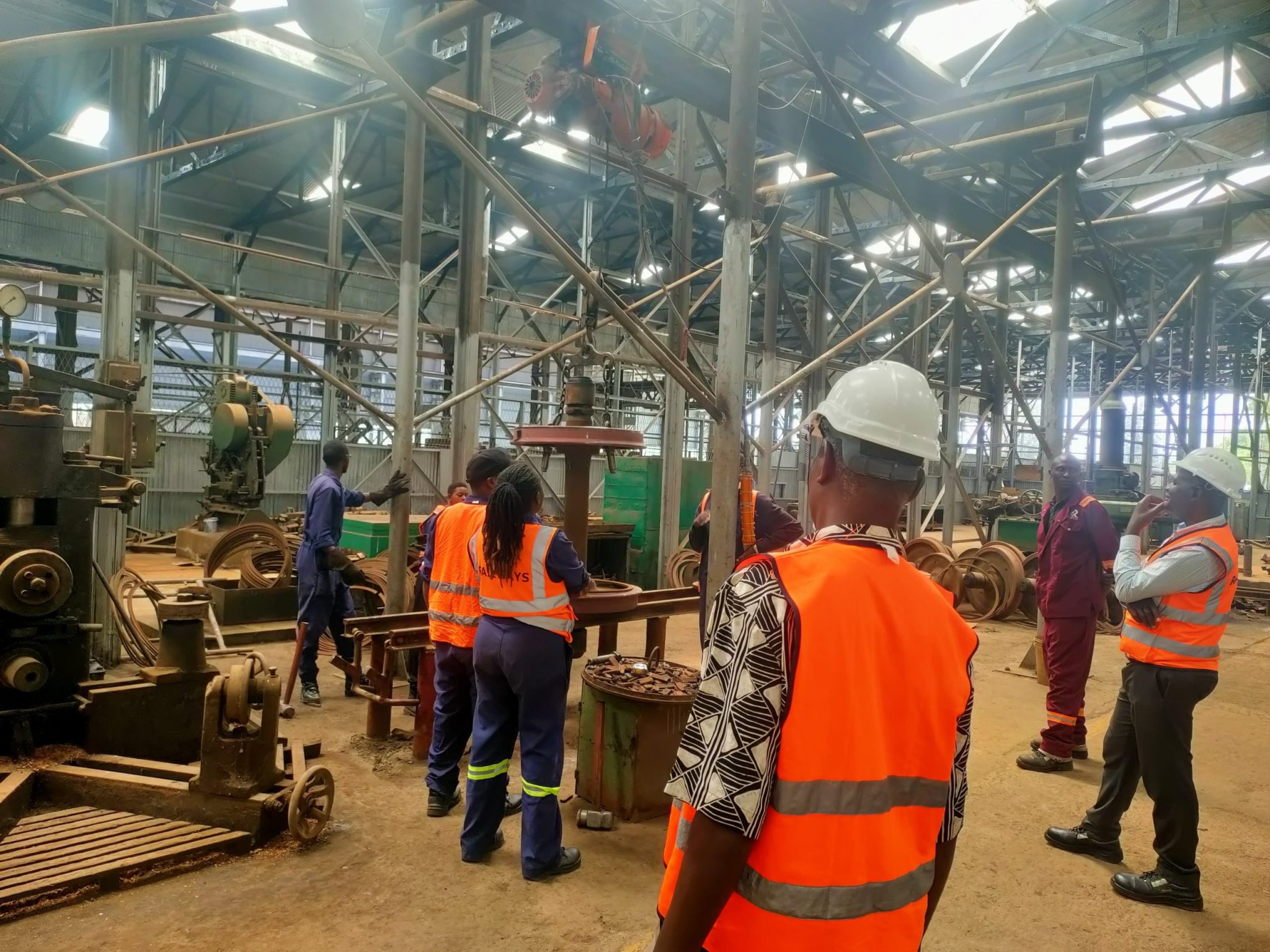
Workplace safety is an important component of organizational resilience.
Effective occupational safety and health practices help organizations identify workplace hazards, assess risks, strengthen safety awareness and develop appropriate preventive measures.
A safe workplace also contributes to employee confidence, productivity and organizational continuity.

This is a great reminder that financial planning isn’t just about numbers; it’s about aligning your money with your life goals. Physician Lifecycle Planning can help you make the most of your earning potential while ensuring you’re also prioritizing your well-being and quality of life.