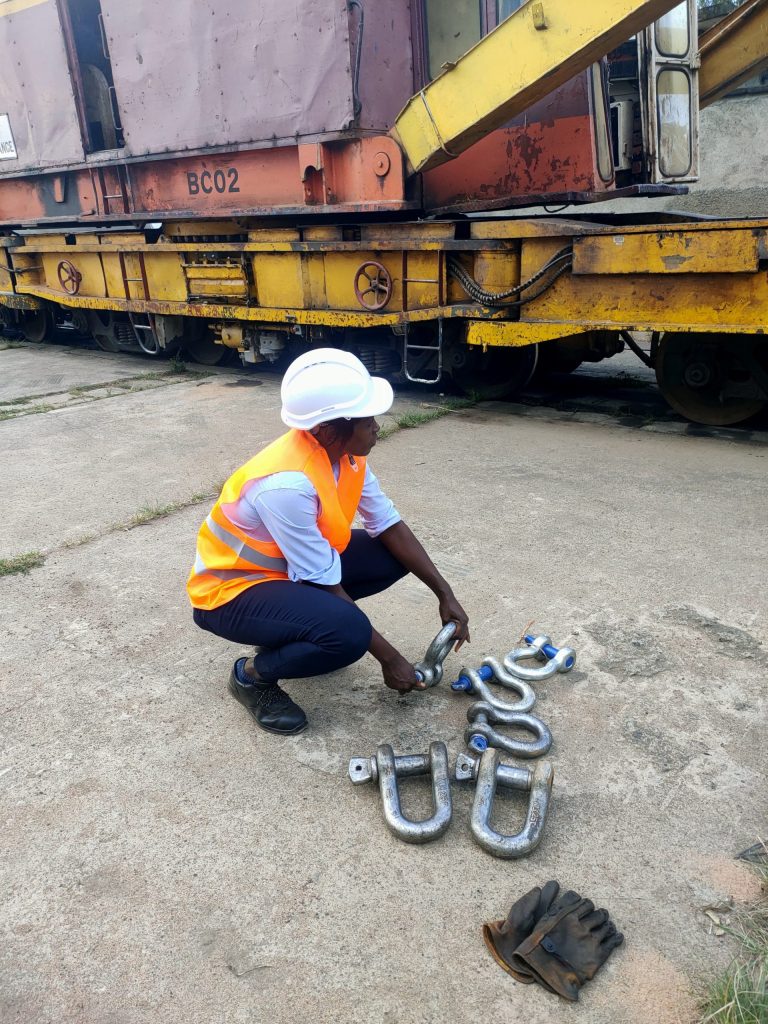
Identifying Risks Before They Become Incidents.
Transport networks and infrastructure projects involve moving vehicles, heavy equipment, work at height, and constantly changing site conditions. Without a clear picture of the hazards involved, small oversights can become serious injuries, costly delays, and compliance problems.
Staying ahead of those hazards takes a systematic approach: identifying what could cause harm, judging how likely and how severe it is, and putting practical controls and procedures in place that people actually follow.
Our consultants work with transport operators, infrastructure and construction firms, county governments, and private sector employers to carry out workplace risk assessments, develop safety plans and procedures, and strengthen the systems that keep people safe on site and on the road.
Driving Practical Solutions for Workplace Risk and Safety
We support transport operators, infrastructure firms, and public institutions with workplace risk assessments, safety planning, and incident prevention tailored to their operations.
Prevention Is the Safest Strategy
Core service areas supporting risk assessment and workplace safety clients
Successful risk assessment and workplace safety engagements delivered
Our Client Results in Risk Assessment & Workplace Safety
We empower organizations to spot hazards early, reduce the risk of workplace incidents, and build safety procedures their teams can rely on.
Driving Safer Operations for Transport & Infrastructure Clients
Transport Operators
We help transport operators identify operational and workplace hazards and put controls and procedures in place to prevent incidents.
Infrastructure & Construction Firms
We carry out site risk assessments and help infrastructure and construction firms plan safe work methods before projects begin.
County Governments
We support county governments in assessing risks across public facilities and projects and developing workplace safety plans.
Private Sector Employers
We help private sector employers map workplace hazards, prioritise controls, and document the procedures their teams follow.